
The Link Between Smoking And Gum Disease
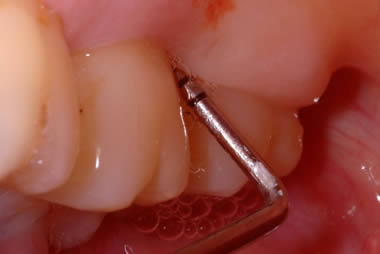
Smoking cigarettes, cigars and even a pipe can spell real trouble for your teeth and gums.
Most people are now aware that smoking can affect their lungs and heart. The warnings have been around for decades and are now widely accepted. Fewer people though realise that smoking can also be very harmful to their teeth and gums.
In many cases, the most obvious issue that smoking causes is that of discoloured teeth. This can range from a light yellow colour to a dark brown one in the case of heavy and regular smokers. While this is a matter for concern from an aesthetic point of view, it doesn’t really compare with the more serious issues.
Gum disease
There are a number of reasons why gum disease might occur and that includes poor cleaning; allowing the tartar to build up on the teeth. Various things that can be done to reduce the risk and the most significant of all of course, is to quit smoking. There are two main stages to gum disease, gingivitis, an earlier stage, and periodontitis, a more advanced form. Sometimes these are silent but other times symptoms such as inflammation of the gums, bleeding and even bad breath might occur.
Gingivitis is often reversible with improved cleaning and changes in habits (including smoking). Periodontitis, on the other hand, is more serious and affects the roots of the tooth and the bone around it. This can damage the bone and cause teeth to become loose and ‘wobbly’ and even eventually fall out altogether. Treatment is available at this latter stage in the form of a deep clean or ‘root planing’. It is highly invasive though and not a guaranteed success, leaving prevention as the best way to avoid this.
How smoking affects the gums
There are a number of ways in which smoking can cause or aggravate gum disease. One of these is the chemicals within the smoke which can irritate the soft tissues of the mouth. The smoke also often causes a dry mouth (especially when combined with alcohol). This is one of the things that can lead to a growth in the number of bacteria in the mouth that contribute to gum disease. Finally, within the gums are a network of tiny blood vessels that transport oxygen around the area and aid any healing that is needed. The nicotine in tobacco products has the effect of narrowing these blood vessels and restricting the flow of oxygen. This makes it harder for the gums to fight off infection and this includes the bacteria that cause gum disease as well as slowing down the healing of any cuts or scratches as well.
Not just cigarettes
As the title of today’s blog suggests, it isn’t just cigarettes but all tobacco products that can contribute to gum disease. This not only includes cigars and pipes but snuff, and increasingly, tobacco pouches that are pressed between the teeth and gums. The idea of these is to release the nicotine into the bloodstream, but the single location of these means that this particular area is at real risk of some potentially serious harm .. and not ‘just’ gum disease.
Oral cancers
Although the focus of this blog is gum disease, and specifically periodontitis, there is another serious issue that has to be mentioned. Smoking is the number one cause of mouth and oral cancers in the UK. This affects around eleven thousand people a year in the UK and causes around three and a half thousand fatalities. Of those that survive, there may well be issues such as facial deformities, speech and eating problems. Quitting smoking will greatly improve your chances of avoiding this.
Regular professional cleaning
Whether you smoke or not, you should see the hygienist at the Foxhall Dental Practice to remove the tartar that builds up on the teeth and around the gum line. Its rough surface allows more bacteria to become attached and increases the likelihood of gum disease. The hygienist at our Ipswich dental practice will also discuss your oral health and may offer advice on how to improve it.
While we do all that we can to help you, the fact is that gum disease (and oral cancers) are largely avoidable and the onus is on the patient to take action to reduce this risk as far as possible.
Getting advice
We won’t attempt to suggest ‘how’ you should quit smoking. There is plenty of good quality advice online from reputable sources and there are also support groups that will be able to offer help and advice as well. If you are unsure where to start, your local GP is probably the best place to do so.
In the meantime. Take a look at how you clean your teeth and do what you can to improve this. Brush your teeth diligently for two minutes twice a day and floss as well and see the hygienist for a scale and polish every six months or more frequently if recommended.
If you haven’t seen the hygienist and would like to make an appointment to do so, or if you need to see a dentist at the Foxhall Dental Practice, please call us to arrange an appointment on 01473 258396.