
How Useful Are Gum Disease Prevention Products?
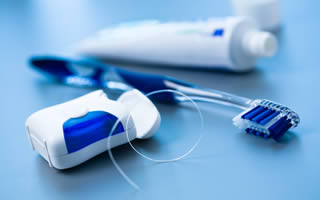
Preventing gum disease is important,but what is useful in helping and what is not?
If you walk down the dental care aisle of a supermarket or chemist, you will most likely find a wide array of products claiming to help keep your gums healthy. These include specialist gum care toothpastes, mouthwashes, electric brushes, water flossers and all sorts of gadgets designed to make cleaning between your teeth easier.
Most of these offer some help of course, but which are really essential and which make little difference to your gums? First of all, it should be said that no one product will solve everything. The most important thing is a good quality mouth cleaning regime along with quitting smoking and regular dental checks at our Ipswich dental practice too of course.
Let us take a look at some of the main products now.
Gum disease toothpaste
There are a number of toothpastes specifically marketed for gum health. Some of these are designed to reduce plaque, while others may help to reduce inflammation or bleeding of the gums.
These toothpastes can be useful as part of a daily cleaning routine, but they all differ a little. Some contain fluoride to protect against tooth decay, while others include antibacterial ingredients. You should always do your research before purchasing and make sure that the one you buy is suitable for your purposes. At the end of the day, a good quality toothpaste aids good oral health, but it can’t be a substitute for proper cleaning or professional treatment at Foxhall Dental Ipswich when required. If you feel you would benefit from using one of these toothpastes, your dentist may help in recommending one suitable for you.
Electric toothbrushes
Electric toothbrushes can certainly make cleaning the teeth and gum lines more effective. One benefit that some models offer is a pressure sensor to warn you if you are brushing too hard. Others include timers to encourage you to brush for the full two minutes. Both of these are useful, but some might be more useful to you, individually, than others. There is a wide acknowledgement though that electric is generally better than manual.
You don’t necessarily need to buy the most expensive toothbrush. A reasonably priced one used correctly will be more useful than an expensive one that spends most of its time in the bathroom cupboard. Make sure to use a soft-bristled brush and take your time, paying particular attention to the gum line.
Floss and interdental brushes
A toothbrush is unlikely to be able to reach in the spaces between your teeth and using this alone, is likely to result in a build up of bacteria in these areas and consequently, gingivitis or periodontitis. Dental floss is especially useful where spaces are very tight and the teeth close together. By inserting the floss and sliding it gently between the teeth, much of the food debris and bacteria can be removed.
Some people find interdental brushes easier to use, especially where there are larger spaces between teeth. These come in different sizes, and it is important to choose one that fits comfortably without forcing it into the space. Where the brush used is too small, it may not clean effectively. If it is too large, it can damage the gum tissue. If you do opt to use interdental brushes, we still recommend that you learn how to floss correctly to make sure that all of your teeth are cleaned and not just those that work well with the interdental brush.
We know that some people find flossing tricky. So if this applies to you, please ask us to show you how.
Water flossers
These use fine jets of water that are ‘blasted’ between the teeth with the aim of removing debris and bacteria. By and large, we believe that these are as unlikely to be as effective as floss or interdental brushes. They could however, be beneficial for patients of our Ipswich practice who have limited mobility or issues such as arthritis that makes using floss difficult.
Does mouthwash help?
This depends on the type of mouthwash chosen. Like toothpaste, most don’t target everything, so, if you do use it, make sure that you choose wisely. Some mouthwashes also contain alcohol and this can potentially lead to a dry mouth; the very environment that makes gum disease more likely. If you are considering buying a mouthwash, it is advisable to discuss this with your dentist or hygienist to see if it is appropriate for you.
Sugar-free chewing gum
This one is a bit of a ‘low hanger’ in that it won’t clean the teeth and gums although it may collect a certain amount of debris and bacteria. Where it is beneficial is in the production of saliva. This will help to remove bacteria and keep the mouth moist so bacteria doesn’t multiply as easily. These products may be of some help in the fight against gum disease and please do ask our Ipswich dentist or hygienist about the ones that you might benefit from. Ultimately though, what will help most is to look at improving the way that you look after your teeth and gums.
If your gums are sore, bleeding or just don’t feel right, we advise that you have them checked. You can do this by arranging an appointment at the Foxhall Dental Practice by calling us on 01473 258396.