
What to do if you chip a tooth – how we can help you at Foxhall Dental
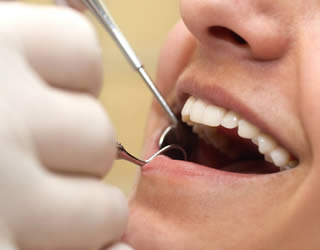
It might appear to be very minor damage, but even a small chip should be investigated by one of our Ipswich dentists.
Most people who chip a tooth typically aren’t doing anything out of the ordinary and it usually happens while doing something routine. A piece of crusty bread, a nut, an olive stone that was not expected, or even just catching a tooth at the wrong angle. Sometimes there is a clear knock or accident, but often people only realise something has happened because the tooth suddenly feels sharp, rough or just a little different.
It is easy to dismiss a small chip, especially if there is no pain. However, teeth do not repair themselves, and even minor damage can cause problems later on if it is left.
If you suspect you might have chipped a tooth or caused damage in some way, it is best to avoid fiddling with the tooth using your tongue or fingers. A sharp edge can quickly irritate the tongue or inside of the cheek. Take a quick look in the mirror if you wish to see how bad it is, but in any event, you should let one of the dentists at the Foxhall Dental Practice take a look to decide if any treatment is needed.
No pain
Pain is not always present straight away. Some chipped teeth can remain comfortable for quite a while before any sensitivity develops. Others may feel fine unless something cold or sweet touches them. Any discomfort is a good reason to get the tooth checked, but even without pain it is still sensible to book an appointment. The outer layer of a tooth, the enamel, is very hard but it is also quite brittle. Once it chips, the softer dentin layer underneath can become exposed. This makes the tooth more vulnerable. It can also mean that bacteria find it easier to enter, which may eventually lead to decay or infection.
We often see chipped teeth that started as very small defects and gradually worsened. A tiny crack can turn into a larger break over time, especially if the tooth is doing a lot of work when biting or chewing. When you come into our practice, we will look closely at the damaged tooth and how it fits together with the others. Sometimes the chip is obvious and straightforward. In other cases, we may take an X-ray to check that the inside of the tooth is healthy and that there is no hidden damage.
Bonding solution
Treatment depends on how much of the tooth has been lost and where the chip is. Some small chips can simply be smoothed so that the tooth feels comfortable again. This is quick and does not usually require any anaesthetic. If the chip affects the appearance of the tooth, or if a noticeable piece is missing, bonding is often a very good solution. This is done by applying a teeth coloured resin to the tooth and shaping it so that it blends in well with the natural tooth and provides shape and functionality. This is only likely to be used for minor damage though and a crown may be considered for anything more significant.
Bonding is a good solution and should also cause no discomfort and is therefore suitable even for nervous dental patients. We always aim to keep treatment comfortable and explain each step along the way.
If there is a short wait before you are seen, it is best to avoid chewing on the affected side if possible. Softer foods are kinder to the teeth, and very hot or cold drinks may need to be avoided if the tooth feels sensitive. Keep brushing as normal, but gently around the chipped area.
While our Ipswich dentists are able to restore most forms of damage to a tooth, it is also worth considering what might have caused the damage in the first place. While no one can predict that they are going to bite on a stray piece of stone in food or similar, some issues such as clenching of teeth or grinding can cause this problem. If you suspect this might be the case, we suggest that you discuss it with your dentist to see what can be done to help protect your teeth. In the case of grinding (bruxism) for example, it might be the wearing of a mouthguard at night to protect the teeth.
Any damage to a tooth, however minor you think it might be, should not be ignored. A small problem can become much worse if not treated in time and may require more extensive (and expensive) treatment.
For any dental issue, whether significant or ‘minor’, we are here to help you. To make an appointment to see a dentist, please call the Foxhall Dental Practice on 01473 258396.