
Dental Sports Injuries – How We Can Help At The Foxhall Dental Practice
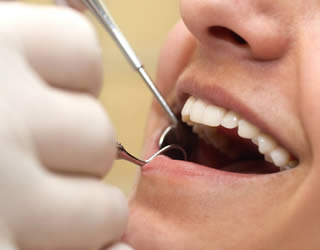
Injuries to the mouth can happen to any of us, but playing some sports increases this risk.
Whether you are playing rugby every weekend, cycling to work or for sport, or even just enjoying a kickabout with friends, accidents can happen. While we tend to think of sprains, cuts and broken bones when it comes to sporting injuries, dental injuries are surprisingly common and can often have lasting consequences if they are not treated quickly.
From the smallest of chips to a knocked out tooth, sporting dental injuries are far from unusual. The good news is that prompt treatment can often make all the difference, helping to relieve pain, restore your smile and, in some cases, even saving a damaged tooth.
Which sports are the highest risk?
Contact sports obviously carry a higher risk of dental injuries. Rugby, boxing and martial arts involve regular impacts where blows to the face can result in broken or displaced teeth. Even with protective equipment, accidents can still happen. Football may not seem quite as risky, but collisions between players, accidental (or not) elbows, falls and even an unexpected hit in the mouth from the ball can all cause damage to the teeth.
Cycling is another common cause of dental trauma. A fall from a bike, particularly at speed, can easily lead to chipped teeth, facial cuts or jaw injuries. Even experienced cyclists can come off unexpectedly due to slippery roads, loose gravel or mechanical issues. Another issue here for those who cycle for sports especially, is a heightened risk of dehydration; a well known cause of gum disease. Make sure you stay well hydrated.
Gym injuries are perhaps the most overlooked. While lifting weights or using resistance equipment isn’t generally considered dangerous for your teeth, dropped weights, slips, accidental impacts with equipment or even walking into a poorly positioned barbell can all result in facial injuries. High-intensity training classes and functional fitness sessions can also increase the risk if equipment is being used in close proximity to others, and sometimes at speed, as in circuit training for example.
Common type of dental damage
Sports-related dental injuries vary from relatively minor cosmetic damage to more serious trauma requiring urgent treatment. One of the more common injuries is a chipped or fractured tooth. The degree of this can vary from a tiny fragment breaking off to a more significant break. Even if there is little or no pain, you should always have the tooth checked, as unseen cracks can develop into more significant problems later.
Knocked-out teeth are another dental emergency. This is particularly common in sports involving physical contact or high-speed falls. Acting quickly gives the best chance of saving the tooth. Ideally, the tooth should be picked up by the crown (the visible part), gently rinsed if dirty and, if possible, placed back into the socket. If that isn’t possible, storing it in milk or inside the cheek while seeking immediate oral care can help keep the tooth viable.
Dislodged or loose teeth can also occur following a blow to the mouth. These teeth may not fall out completely but can shift position or become unstable. A prompt assessment will give our Ipswich dentists the best opportunity to stabilise the tooth before permanent damage occurs.
It is important to say that any blow to the head area should be taken seriously. If you have suffered this and have any doubt at all, you should go to the A&E department to check for any head injuries before turning attention to your teeth.
Don’t dismiss ‘minor’ damage
It is tempting to dismiss a slightly chipped tooth if it isn’t causing any pain or discomfort, particularly if only a small fragment has broken off and appears to be a cosmetic issue. However, damage isn’t always obvious from a quick look.
A tooth that has suffered trauma may develop nerve damage over time, even weeks or months after the injury. Cracks can deepen, infections can develop and weakened teeth can become more vulnerable to breaking further. Seeking treatment early often allows simpler, less invasive treatment and can prevent more complex treatment being required later.
How We Can Help Here In Ipswich
Every sports injury is different, so the first step is always a careful dental assessment. We will need to not only examine the teeth, but to take x-rays and possibly scans to check for any damage that may have occurred beneath the gum line. Any treatment provided will depend on the nature of the injury and damage. Small chips may be restored with cosmetic bonding or white tooth fillings, while more significant damage may require the fitting of a crown.
Deeper damage may require further attention, including the possibility of a root canal procedure or even extractions. In the latter case, we will be able to suggest replacement options such as dental implants to replace any missing teeth. We always aim to save the tooth where possible though.
Prevention
Not every accident can be avoided, but wearing a properly fitted mouth-guard significantly reduces the risk of dental injuries in contact sports. If you play sport regularly, this could be a good investment for you and our Ipswich dentists will be happy to discuss these with you. Cyclists should always wear a well-fitted helmet, while anyone taking part in high-impact training or contact sports should make sure appropriate protective equipment is used throughout.
The important thing if anything of this nature does happen is that we are here to help you. If you contact us during opening hours, we will do our best to see you as soon as possible. Please let our receptionist know as much detail as possible so that we can prioritise your treatment. If we are closed, please still call us and listen to the advice and the contact details for out of hours care. You can contact the Foxhall Dental Practice on 01473 258396.